
Successfully moving without stress relies less on motivation than on precise technical choices. Tachograph, right of withdrawal, photographic documentation: the rules have evolved, and method errors cost more than before. Here are ten concrete tips, tailored for a move in 2026.
1. Photograph each room before touching a box
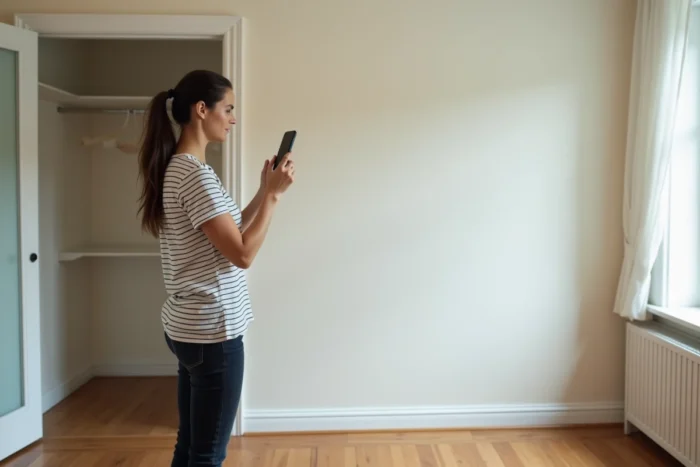
Timestamped photographic documentation has become an almost indispensable routine. Before dismantling anything, photograph the condition of the walls, floors, electronic connections, and meter readings. These pictures serve as proof in case of disputes with the landlord, mover, or energy supplier.
We recommend storing these photos in a timestamped folder on a cloud rather than on your phone’s memory. In case of a dispute over the exit condition, a dated photo is worth more than an oral testimony.
2. Check the 14-day right of withdrawal on the signed quote
Any signed moving quote, whether remotely or at home, opens a 14-day right of withdrawal, as provided by articles L221-18, L221-21, and L221-22 of the Consumer Code. This lever allows you to cancel an unsuitable or overpriced service provider without losing your deposit.
Many individuals are unaware of this timeframe and find themselves committed to a mover chosen in haste. Before signing, ensure that the quote clearly mentions the withdrawal conditions. If you have consulted a moving guide on Incroyable Maison, you know that comparing several quotes is fundamental, but being able to reconsider your decision changes the game.
3. Anticipate the impact of the tachograph on small movers
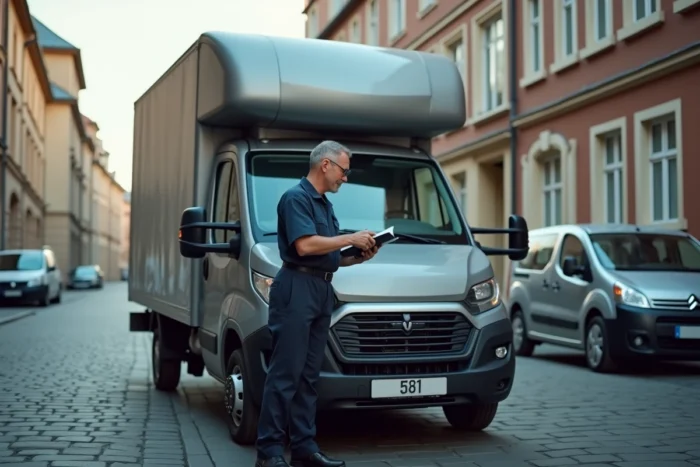
Since July 1, 2026, light utility moving vehicles over 2.5 tons must be equipped with a 2nd generation smart tachograph as part of the European Mobility Package. This requirement reduces the availability of certain small movers and may extend booking times.
In practical terms, if you are hiring a local service with a single truck, book earlier than usual. Compliance has a cost that some providers pass directly onto their rates.
4. Pack fragile items using the double box method

The double box method involves placing a smaller box, padded with crumpled paper, inside a larger box. The space between the two walls absorbs shocks much better than a simple layer of bubble wrap.
This technique is particularly useful for dishes, frames, and electronic devices. Always label these boxes with the word “fragile” and their exact contents. When loading, they should be placed last in the truck, above the heavy loads.
5. Sort using the three-pile method before packing

Before opening the first roll of tape, categorize each item into three categories: keep, give away, or throw away. A streamlined move costs less in truck volume and reduces handling time.
Sorting should be done room by room, never all at once. Start with storage spaces (basement, attic, garage) where forgotten items accumulate. A good rule of thumb: if an item hasn’t been used in over a year, the likelihood of it being used in the new home is low.
6. Book the rental truck at least six weeks in advance

The rising labor costs in the moving sector (related to the reevaluation of the minimum wage IDCC 16 in June 2026) increase demand for self-service truck rentals. Weekend slots fill up quickly, especially between May and September.
Six weeks in advance is a reasonable minimum. Compare offers considering included mileage, insurance, and return fees at a different agency if you are changing cities.
7. Prepare a survival box for moving day

The survival box contains everything you will need in the first hours after arrival, without having to rummage through dozens of boxes:
- Phone chargers, medications, identity documents, and ongoing contracts
- Sheets, towels, soap, and toilet paper for the first night
- Kettle, cups, coffee, and some provisions to avoid searching for a store at 10 PM
This box travels with you, not in the mover’s truck. Keep it in your personal vehicle or readily accessible at all times.
8. Notify energy suppliers three weeks in advance

Cancelling and subscribing to an energy contract requires processing time. By notifying at least three weeks before the moving date, you avoid paying for two homes simultaneously or being left without electricity on the first night.
Record the meter readings (gas, electricity, water) on the day of key handover, both in the old and new homes. These readings, combined with the timestamped photos mentioned above, constitute a solid case in case of disputed billing.
9. Label boxes by destination room, not by contents
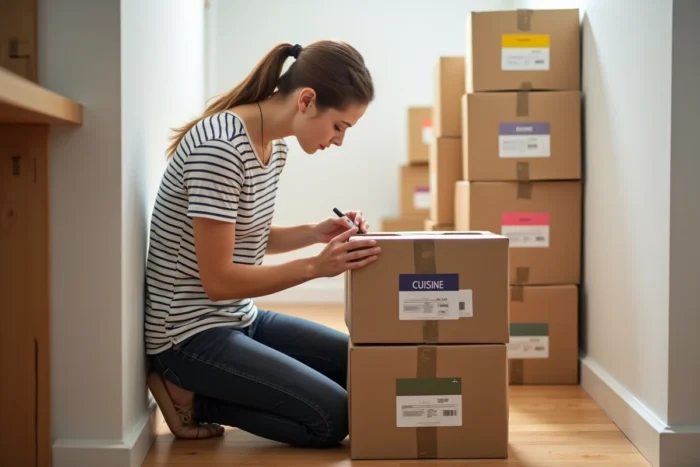
A box marked “kitchen” will be placed directly in the kitchen of the new home. A box marked “glasses and plates” could end up anywhere. Labeling by destination room speeds up unloading and reduces unnecessary handling.
Add a color code for each room (a roll of tape in a different color is enough). Movers or friends helping you won’t need to ask where to place each box.
10. Plan administrative tasks on a dedicated retro planning

Changing your address is not limited to the Post Office. A structured retro planning covers all tasks without forgetting any:
- Bank, home insurance, mutual insurance, and employer to notify as soon as the moving date is known
- School registration for children to start several weeks in advance depending on the municipality
- Transfer of the internet contract (installation times for the new connection vary greatly depending on the provider)
Consolidating these tasks into a single document, even a simple spreadsheet, prevents a series of forgetfulness that generates stress after moving in.
A well-managed move relies on decisions made early and simple but rigorous technical actions. The 2026 regulations add new constraints for providers, which reinforces the importance of planning ahead and documenting each step.